Shelly’s take · Why we chose this story
A true story, researched by hand and told with AI.
In brief
Who is Nora Volkow?
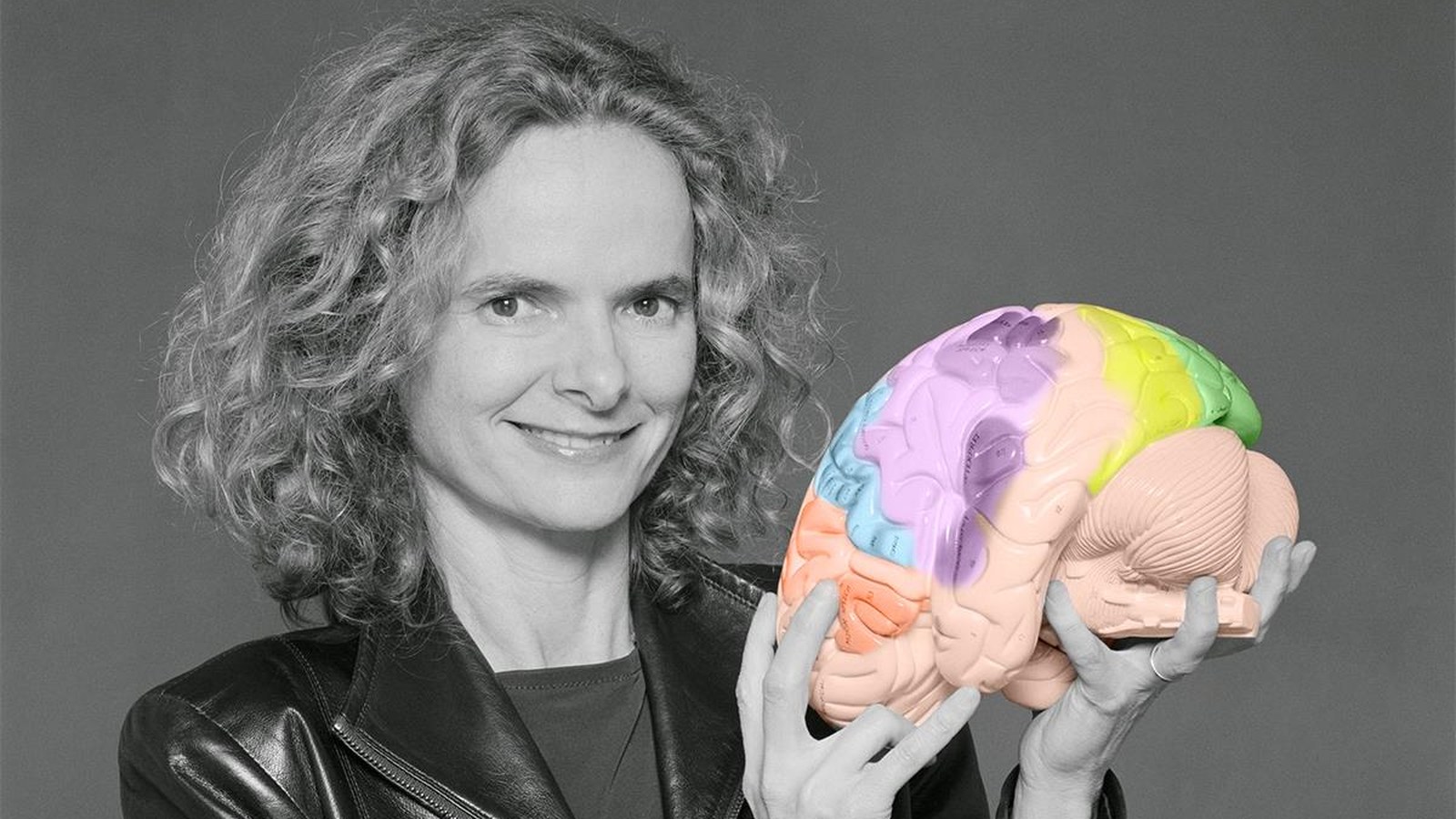
In the mid-1980s, at a PET research center in Houston, a young psychiatrist named Nora Volkow ran some of the first brain scans of people using cocaine. The blood flow looked like stroke, and at first no one believed the images. At Brookhaven National Laboratory her studies showed how drugs change the dopamine system, in the parts of the brain that handle reward and self-control. Since 2003 she has directed the National Institute on Drug Abuse, the world’s largest funder of research on drug use and addiction.
The story in the curator’s words
Houston, the 1980s
Houston, Texas. The 1980s. A young psychiatrist is running brain scans at a PET research center at the University of Texas. She had planned to study schizophrenia. The hospital had few of those patients, and plenty of people using cocaine. Her name is Nora Volkow. She earned her medical degree at the National University of Mexico, in Mexico City.
No one believed the images
The scans were dramatic. “Their brains,” she said, “looked like the brains of patients who had a stroke.” At first, no one believed the images. It took until 1988 for the findings to be published.
Later, at Brookhaven National Laboratory, her studies showed how drugs change the dopamine system, in the parts of the brain that handle reward and self-control.
Not a verdict on character
The old system treated addiction as a verdict on character. Bad people. Weak people. Her work helped show it is a disorder of the brain. In 2003 she became director of the National Institute on Drug Abuse, the world’s largest funder of research on the health aspects of drug use and addiction.
In her words: “Drug addiction is a chronic but treatable disorder.” “It is not a sign of a person’s weakness or bad character.” Not every scientist accepts the word disease, and that debate is real; the neuroscientist Marc Lewis, for one, argues that addiction is better understood as learning.
A talent, and a responsibility
She has pushed treatment to be more realistic. Perfect, she wrote, should not be the enemy of the good. She once put it simply: “You are alive, you have a certain talent, and you have a responsibility to use it to help others.”
If you or someone you love is struggling, call or text 988 (US and Canada). For free, confidential treatment referral in the US, call the SAMHSA National Helpline at 1-800-662-4357. This page asks nothing of Nora Volkow. The work carrying this story forward is every clinic, counsellor and researcher treating addiction as a health condition, not a verdict. Amplifying her is how we keep that work in the light. That is the whole of what Creative House Studios does here: tell a true story with dignity, and point to the people still carrying its cause forward. Independent story; not affiliated with or endorsed by Dr. Nora Volkow, NIDA or NIH. No endorsement by NIDA or NIH is implied.
Carried forward today samhsa.gov
Go to their work
SAMHSA National HelplineFree, confidential treatment referral and information, 24 hours a day, in English and Spanish: the realistic, treatable path her work points to.Visit samhsa.gov ↗Questions answered from the sources below
Questions about Nora Volkow
Who is Nora Volkow?
A psychiatrist and neuroscientist, born in Mexico and trained at the National University of Mexico. Much of her research career was at the Brookhaven National Laboratory in New York. She has been director of the U.S. National Institute on Drug Abuse (NIDA) at the National Institutes of Health since May 2003.
What did her brain-imaging work show?
In Houston in the mid-1980s she ran some of the first PET studies of people using cocaine and found badly disrupted blood flow that looked like stroke. At Brookhaven her studies documented how drugs change the dopamine system in brain regions involved in reward and self-control, work NIDA describes as instrumental in demonstrating that drug addiction is a brain disorder.
Is addiction a disease?
NIDA calls drug addiction a chronic but treatable disorder. Not every scientist agrees with the disease framing: the neuroscientist Marc Lewis, for example, argues it is better understood as deep learning. Both views reject the old idea that addiction is a moral failing.
Sources 6 cited
Sources
- Biography of Dr. Nora Volkow (National Institute on Drug Abuse)reference · nida.nih.gov
- SAMHSA National Helplinefoundation · samhsa.gov
- Nora Volkow: two paths to the future (Vanderbilt University Medical Center, Lens)reference · news.vumc.org
- Conversations with Giants in Medicine: Nora Volkow (Journal of Clinical Investigation, 2022)reference · jci.org
- Making addiction treatment more realistic and pragmatic: perfect should not be the enemy of good (Nora’s Blog, NIDA, 2022)archive · nida.nih.gov
- Nora Volkow, the disease model, and moi (Marc Lewis, a critique)reference · memoirsofanaddictedbrain.com